Direct Scientific Dosimetry
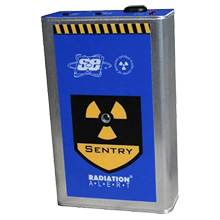
A dosimeter is a device used to measure an individual's exposure to radiation in a hazardous environment. A personal radiation dosimeter is electronic or analog. The analog radiation dosimeter is cylindrical, and the size of a pen. It is appropriately called a PEN dosimeter. The readout of the PEN dosimeter is displayed by looking through the cylinder in front of a light source. There is a red hash mark on a scale that marks the exposure. The PEN dosimeter is than zeroed with a dosimeter Charger. An electronic dosimeter is in the shape and size of a pager. The dosimeter displays the dose in the form of a digital readout and alarms when the radiation level exceeds the threshold level. Both types of dosimeters are usually clipped to the exterior of the user's clothing. Sometimes dosimeters are clipped to a lanyard worn around the neck. For personnel, a dosimeter is the most useful device to measure radiation
exposure. A film badge dosimeter is best used for long term exposure. Biological
damage from radiation is cumulative. An electronic dosimeter is best used to
warn the user of a high radiation area. PEN Dosimeters must be manually
recharged with the Jordan Nuclear or SE International Charger. Electronic
dosimeters can be read and reset by hand or by using an electronic reader. Dose
recorded by the dosimeter can be manually copied or fed into computer software
for graphical analysis. Often use of the dosimeter reader and charger is
limited to certified health physicists. Dosimeters are made in different ranges. Peace-time occupational exposure ranges for dosimeters usually measure up to 500 mrem (5 mSv), which exceeds the normal US yearly dose of 360 mrem (3.6 mSv). War-time fallout meters measure up to 500 rem (5 Sv), roughly the lethal dose. For dosimetry used in diagnostic and therapy QA, please refer to our selection of electrometers and ionization chambers: 10100AT TRIAD TnT Dosimeter Kit Our products pertain to radiation dosimeters and the science of dosimetry, but other dosimeters also exist. For recommendations pertaining to the personal dosimetry needs of your organization, consult a certified health physicist. |